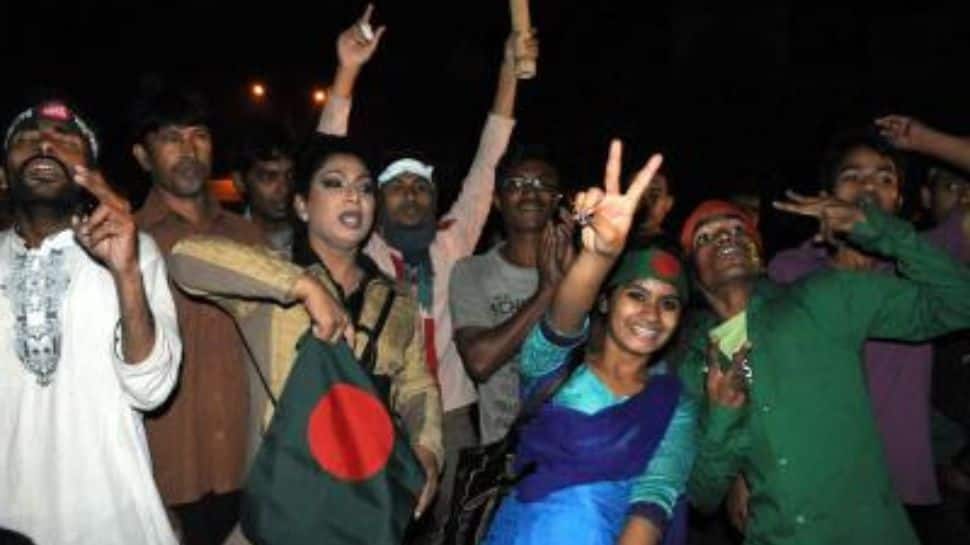

The Awami League (AL) maintains a robust and deeply ingrained support base within Bangladesh, a recent report has revealed. This finding comes amidst calls for an election boycott by former Prime Minister Sheikh Hasina, with the interim government downplaying their potential effect. The report highlights the AL’s considerable popularity, noting that even in the 2001 general election, where the party secured 62 seats, it garnered over 22 million votes. This figure was only slightly lower than the total votes cast for the Bangladesh Nationalist Party (BNP), which won a substantially larger number of parliamentary seats. Senior journalist and political analyst Masood Kamal noted that many Awami League loyalists remain ‘ideologically and historically devoted’ to the party, demonstrating unwavering commitment despite controversies surrounding its leadership. Kamal further asserted that prohibiting political parties through executive directives is ‘not a sign of a civilized society’ and that the current interim government, intended to be unifying, has instead become an instrument of division. International human rights bodies, including Human Rights Watch and the Committee to Protect Journalists, have also urged the interim government to lift restrictions on political parties. They argue that such bans risk undermining democratic principles and disenfranchising a significant segment of the Bangladeshi electorate. The situation is compounded by growing calls to ban the Jatiya Party, raising further concerns about a potential decline in political pluralism within the nation.