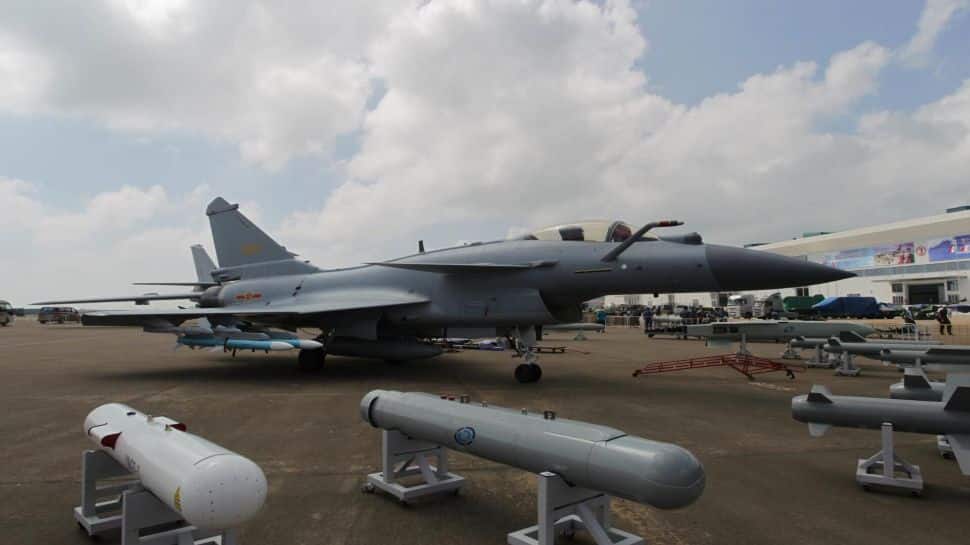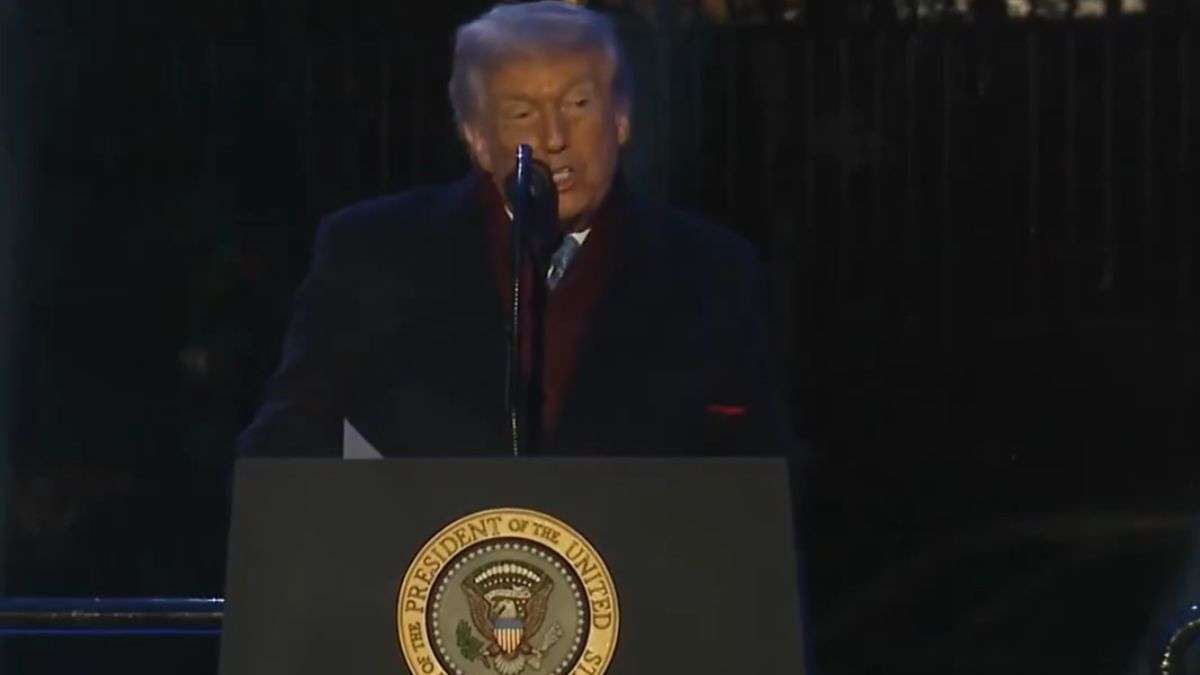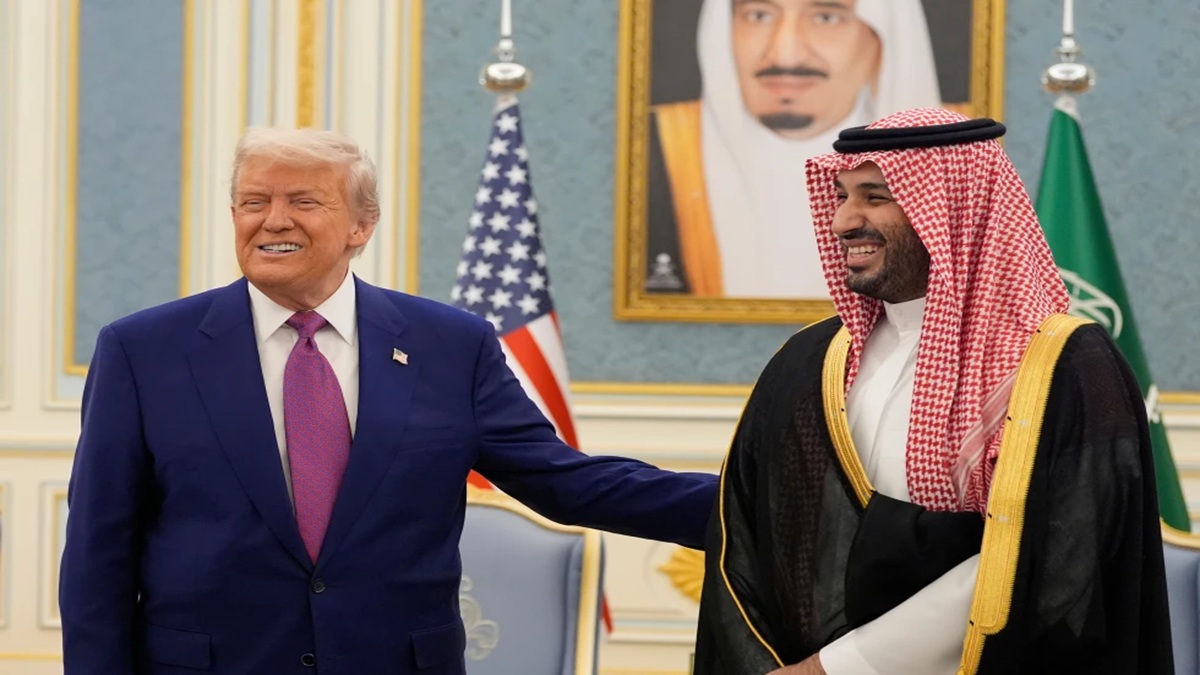

The United States has officially cleared the sale of F-35 fighter jets to Saudi Arabia, with President Donald Trump confirming the deal during Crown Prince Mohammed bin Salman’s visit to Washington. This significant arms deal proceeds despite ongoing internal debates concerning the risk of Chinese access to advanced US defense technology and the need to protect Israel’s security interests. The announcement marks a key moment as the Crown Prince makes his first trip to the US in over seven years.
During his visit, the Crown Prince is expected to push for US security guarantees and the acquisition of the F-35 aircraft. The US administration faces the challenge of fulfilling Saudi Arabia’s requests while upholding Israel’s military superiority, a critical element in President Trump’s Middle East peace efforts. Lingering concerns over technology safeguarding, similar to those that previously delayed F-35 sales to the UAE, are prominent, especially with the growing defense ties between Riyadh and Beijing.
Despite Saudi Arabia’s increasing economic partnership with China, the US remains its principal supplier of defense equipment. Congress is likely to seek strong assurances from Riyadh regarding its dealings with China and concrete measures to ensure Israel’s continued military advantage. Trump views this potential F-35 sale as instrumental in broadening the Abraham Accords, aiming for wider Arab-Israeli normalization. However, Saudi Arabia’s firm stance on requiring a Palestinian state roadmap before joining the accords complicates negotiations, as Israel remains resistant. While a recent UN resolution adds complexity, an eventual agreement is still a possibility.