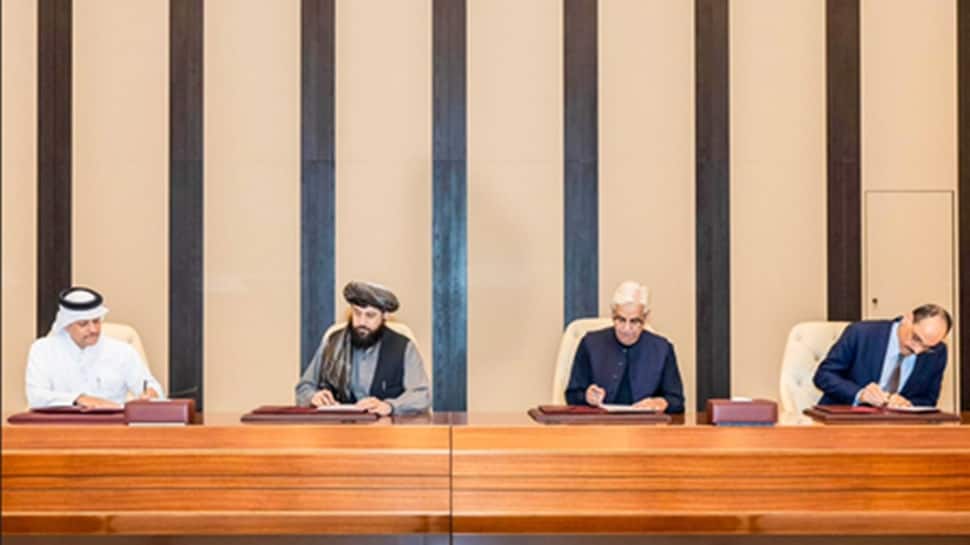

Efforts by Saudi Arabia to mediate a ceasefire between Afghanistan and Pakistan have reportedly hit a dead end. A media report citing sources indicates that a Taliban delegation met with Pakistani officials in Riyadh with the objective of forging a peace agreement. However, the discussions concluded without any reported progress, renewing concerns about regional stability.
The core of the dispute lies in security allegations, with Pakistan accusing the Afghan government of harboring anti-Pakistan elements and enabling cross-border attacks. Kabul, in turn, denies these accusations and highlights the humanitarian crisis stemming from the expulsion of Afghan refugees. This ongoing friction has resulted in a heavily militarized and closed border.
Previous mediation attempts, spearheaded by Turkey and Qatar, also failed to bridge the divide between the two nations. The prolonged closure of the Durand Line, a critical trade artery, has exacerbated economic hardship. Afghanistan’s Ministry of Economy has urged for the normalization of trade relations, emphasizing the mutual economic damage caused by the border shutdown.
Business entities in both countries have expressed alarm over the significant financial losses incurred by traders due to the halted trade. Saudi Arabia, while not directly intervening militarily, has consistently urged both parties to exercise restraint. The lack of a breakthrough in these high-stakes talks underscores the deep-seated mistrust and the complex challenges to achieving peace in the region.