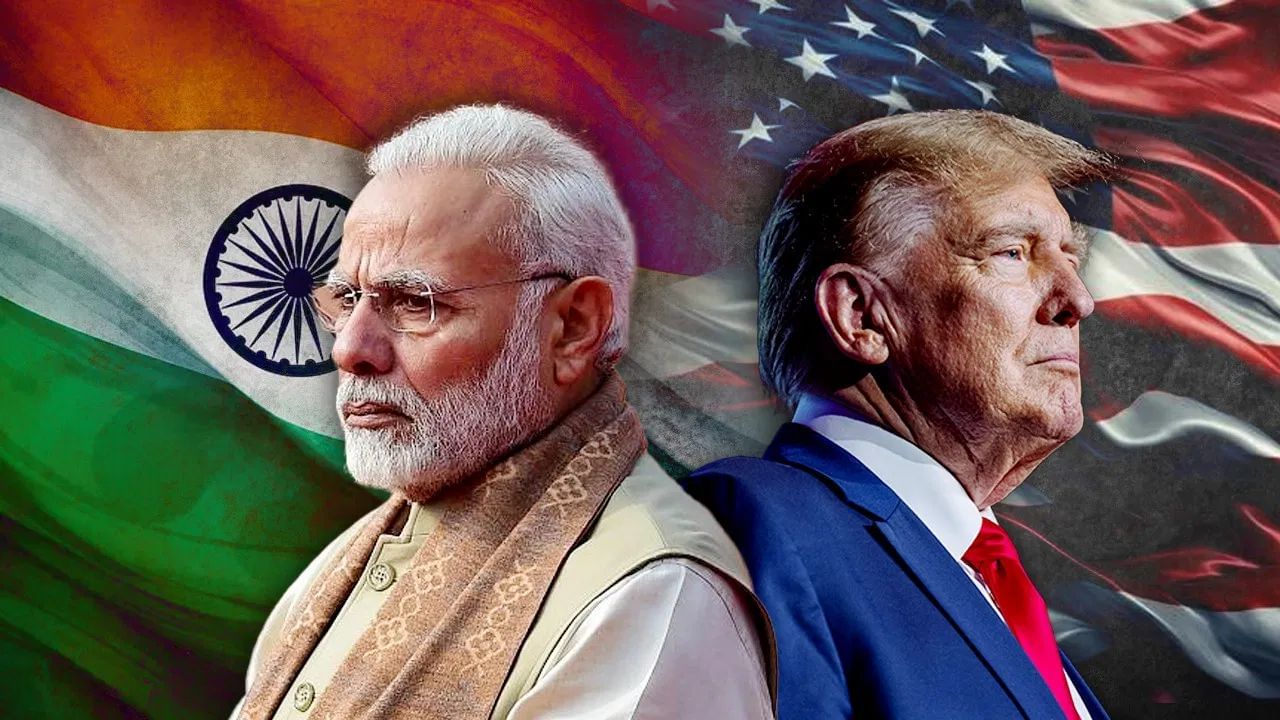

The cordial relationship between former US President Donald Trump and India has soured. The shift in the relationship can be attributed to several factors.
Trump consistently took credit for the India-Pakistan ceasefire, despite India’s denial. Reports indicate that during a phone conversation with Prime Minister Modi, Trump continued to claim credit for the ceasefire. Modi, however, insisted that the US had no involvement in the matter.
Another factor was Trump’s disappointment regarding the Nobel Peace Prize. Trump, during a phone conversation, expressed that India should nominate him for the Nobel Peace Prize. India did not comply, leading to dissatisfaction.
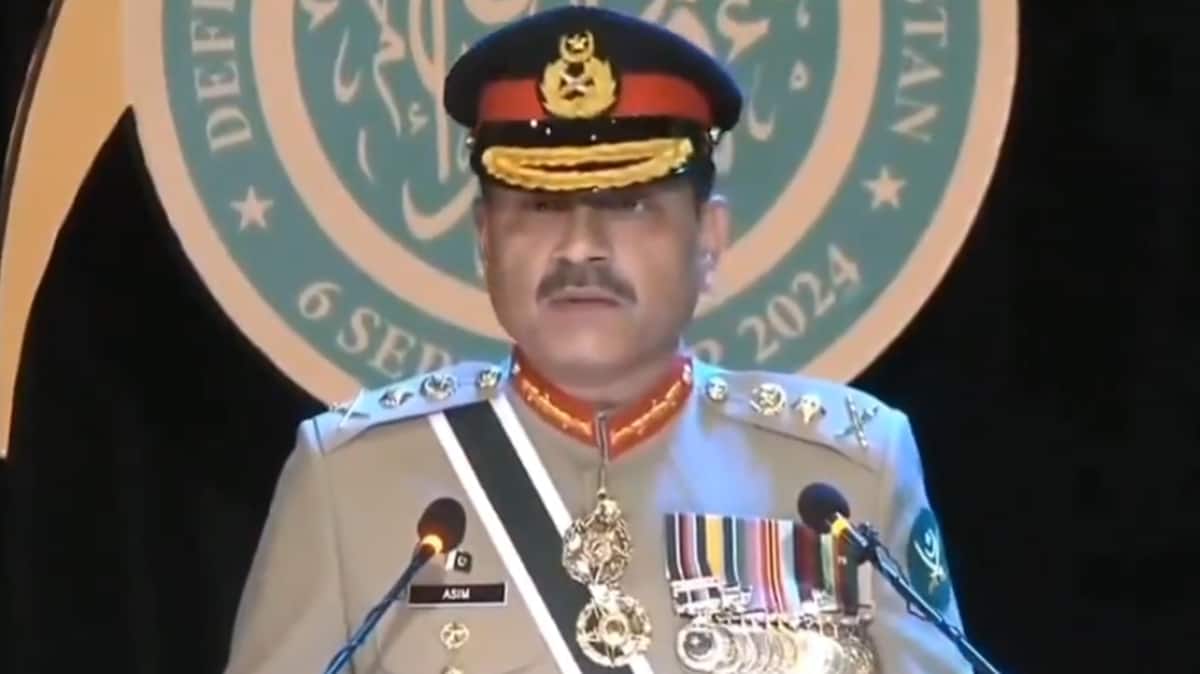
There was no face-to-face meeting between Trump and Modi at the G7 summit in Canada. Modi declined Trump’s invitation to stop in the US on his way back. Additionally, Modi was cautious about the possibility of Trump arranging a meeting between him and the Pakistani Army Chief.
India refused to accept any third-party mediation regarding the Kashmir issue, which further strained the relationship. This position contrasted with Trump’s offers of mediation.
After a phone call, Trump started criticizing India, calling its economy stagnant and its trade policies poor. Subsequently, Trump announced a 50% tariff on Indian goods.
India did not reduce tariffs on US agricultural products as requested, prioritizing its domestic farmers. Trade talks were canceled, and the US delegation was not allowed to enter Delhi.
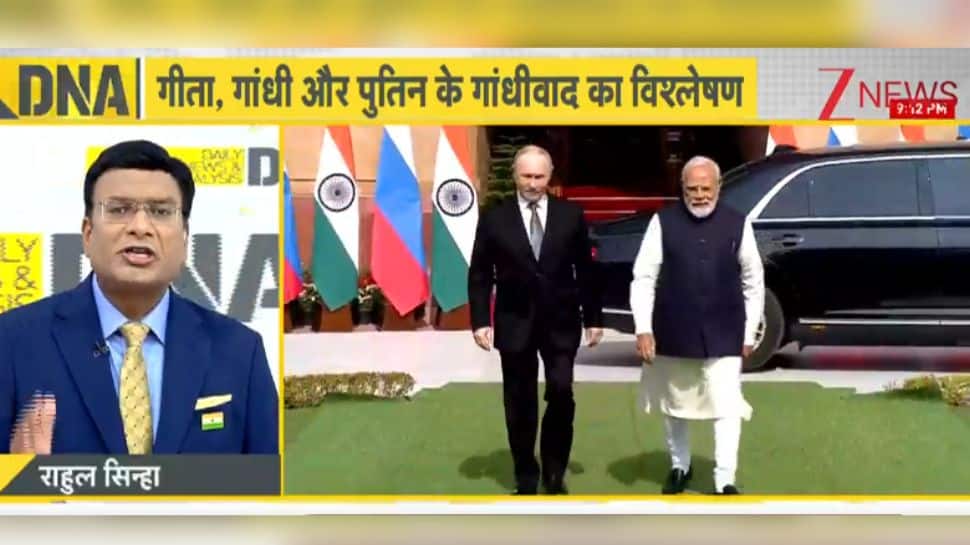
India continued purchasing Russian oil, despite US sanctions and the imposition of tariffs. The US imposed a 50% tariff on Indian goods. The US also wanted European countries to impose tariffs on India, but the EU has not taken any action.