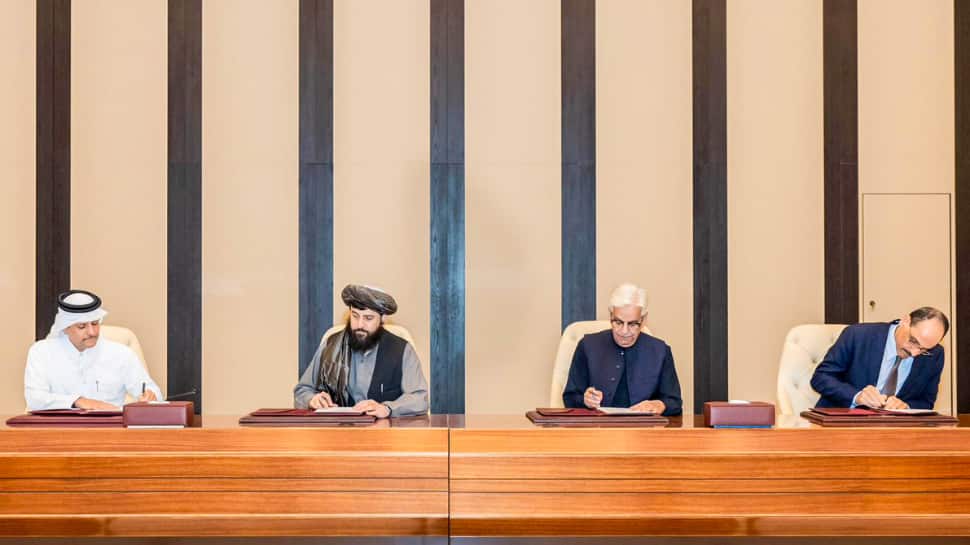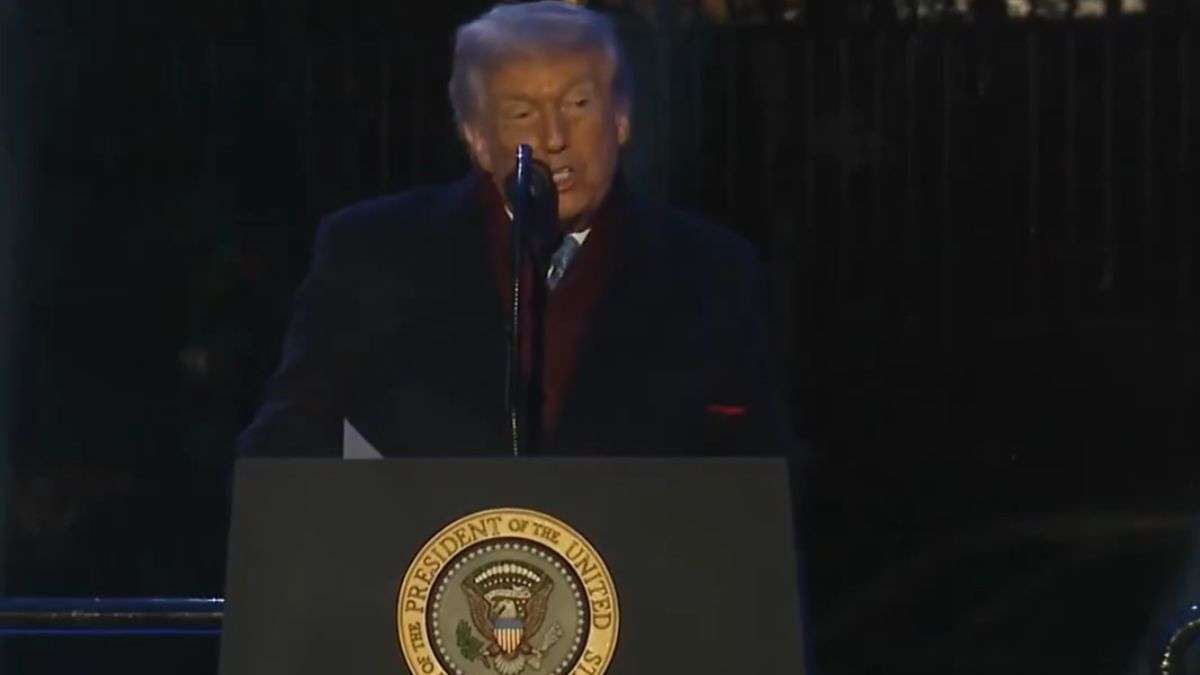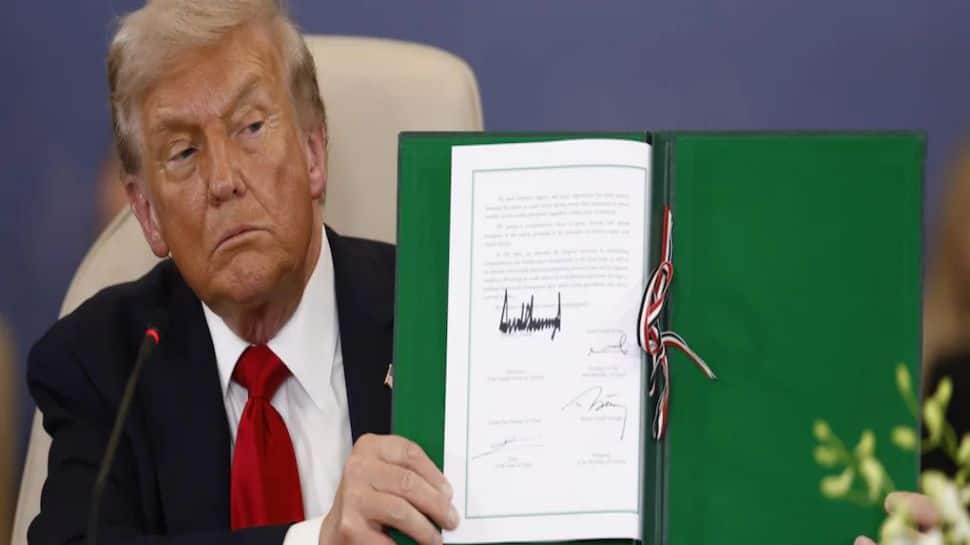

The recent summit in Sharm el-Sheikh, Egypt, culminated in the signing of a Gaza ceasefire agreement, prominently displayed by U.S. President Donald Trump as a “very important signing.” This “Trump Peace Agreement” articulates a shared vision for the region, emphasizing “tolerance, dignity, and equal opportunity” for all individuals. The document, a product of extensive mediation by the United States, Egypt, Qatar, and Turkey, speaks to a future where aspirations for peace, security, and economic prosperity can be pursued universally. While the agreement vows to end prolonged conflict and foster hope, it largely steers clear of granular details regarding implementation. The gathering saw participation from over two dozen nations, signifying broad international interest in regional stability. President Trump expressed pride in securing what he described as “the toughest deal,” anticipating it will usher in a “new chapter” for Middle Eastern diplomacy. The proposed framework includes substantial rebuilding efforts in Gaza, conditional on demilitarization and the establishment of a competent civilian police force. Furthermore, an international “Board of Peace” is envisioned to guide the transitional period. The Egyptian President urged this accord to be a “new beginning” for justice and coexistence, aiming to make the Gaza conflict the last of its kind. The ultimate success of this agreement will hinge on its practical application and the commitment of all parties involved.