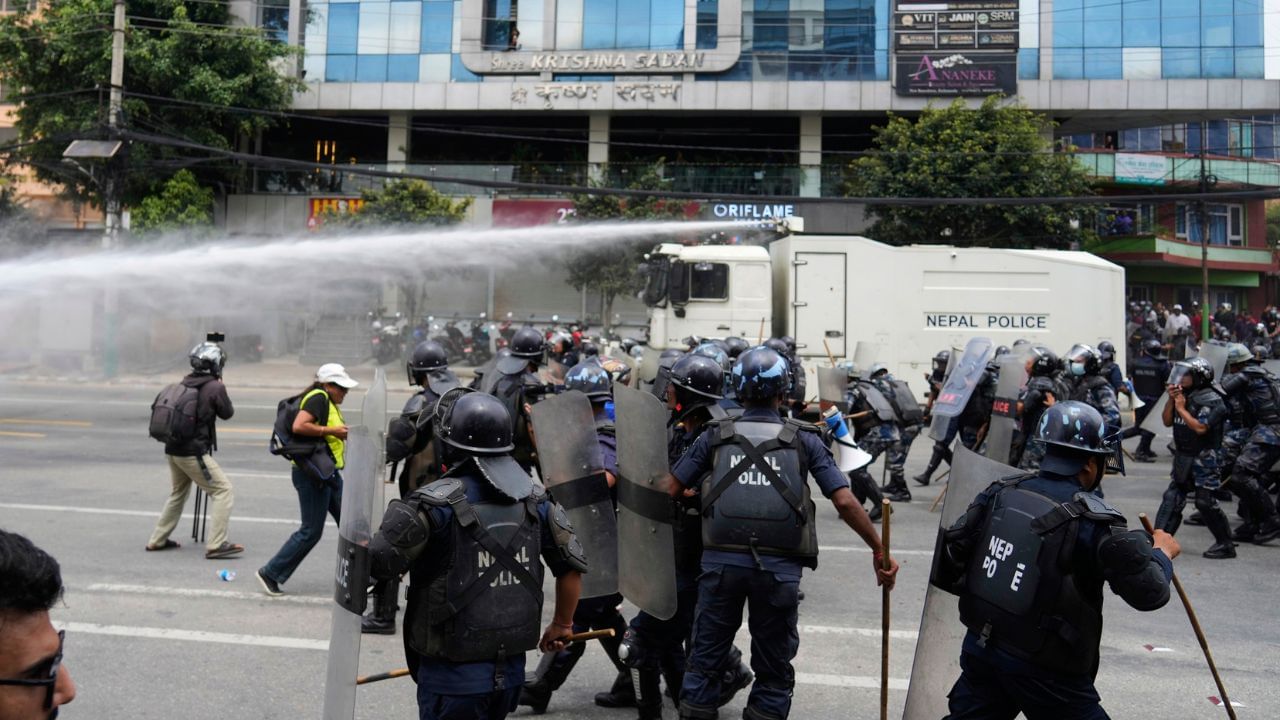

The political landscape of Nepal is experiencing a major upheaval as a significant percentage of the population protests against the Oli government. The protests are unprecedented and are a direct result of the government’s ban on social media platforms. The decision to restrict access to platforms like Facebook, Instagram, and Twitter has sparked outrage among the youth, who see it as an attack on their freedom of expression. The government has stated that the ban is due to the non-compliance of these companies with local registration requirements.
However, the timing of the ban, coinciding with Prime Minister Oli’s return from China, has raised suspicions of a move towards Chinese-style censorship. The ban has led to widespread disruption and large-scale demonstrations, with protesters demanding the restoration of their access to social media. The ban has sparked serious concerns among the youth, who are worried about their economic future, education, and access to information. Many young people rely on social media for income and employment, and the ban has directly impacted their livelihoods.
The selective implementation of the ban, targeting American platforms while allowing Chinese apps to operate freely, has led to concerns that the government is tilting towards China. As the youth rebellion gains momentum and the protests continue, the Oli government faces a significant challenge to its authority. The situation remains volatile, with the potential for further escalation and political instability.