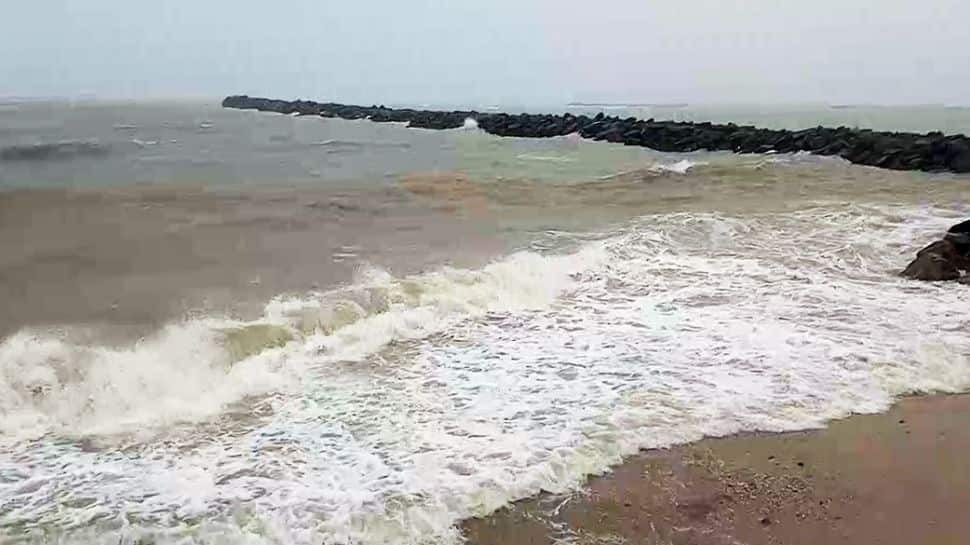

The death toll from Cyclone Ditwah in Sri Lanka has tragically climbed to 123, with rescue teams working tirelessly amidst widespread flooding and devastating landslides. The cyclone’s intense impact has crippled infrastructure and displaced tens of thousands, necessitating extensive recovery operations across multiple affected districts.
The Disaster Management Centre has reported that Cyclone Ditwah has severely affected communities throughout the nation. The confirmed death toll stands at 123, with an alarming 130 people still missing. The Kandy District has reported the highest number of fatalities, with 51 deaths and 67 individuals unaccounted for. Badulla District has confirmed 35 deaths and 27 missing persons. Other districts experiencing significant losses include Kegalle (9 deaths), Matale (8 deaths), Nuwara Eliya (6 deaths), and Ampara (5 deaths).
More than 373,000 people, belonging to over 100,000 families, have been directly impacted by the severe weather conditions, including floods, landslides, and strong winds. In a dramatic rescue, around 40 people were saved from a bus engulfed by floodwaters on the Kala Oya Bridge, after they had climbed to the roof of a nearby structure for safety.
India has initiated ‘Operation Sagar Bandhu’ to aid Sri Lanka’s relief efforts. An Indian Air Force transport plane delivered 80 NDRF personnel, accompanied by search dogs and crucial disaster relief equipment. The Indian Navy also dispatched vital supplies via the INS Vikrant and INS Udaigiri. An emergency assistance desk has been set up by the Indian High Commission at the Bandaranaike International Airport to assist Indian nationals.
In anticipation of Cyclone Ditwah’s arrival, the India Meteorological Department (IMD) has placed Tamil Nadu and Puducherry on high alert, issuing a red alert for several districts. Heavy to extremely heavy rainfall is predicted for areas including Cuddalore, Nagapattinam, Mayiladuthurai, Villupuram, and Chengalpattu, along with Puducherry and Karaikal. National Disaster Response Force teams are strategically positioned across the vulnerable coastal regions of Tamil Nadu and Puducherry, with additional teams deployed to Chennai to enhance preparedness.