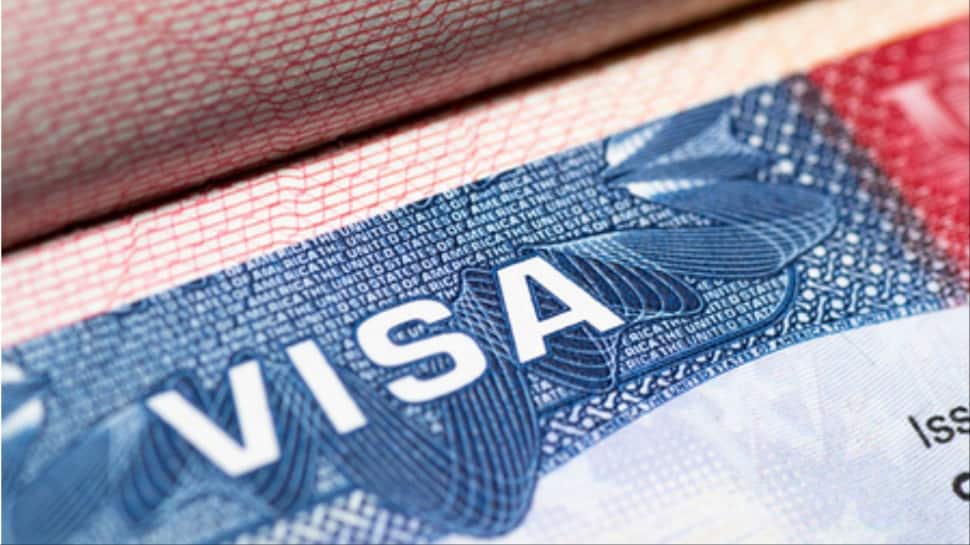

The United States has enacted sweeping changes to its global visa screening process, reviving the “public charge” policy to enforce stricter eligibility criteria. Embassies abroad are now tasked with applying more rigorous standards for assessing applicants’ financial self-sufficiency and health.
The reinstated “public charge” rule allows immigration authorities to deny visas and permanent residency to individuals who are determined to be at high risk of becoming a “public charge” – meaning they might rely on government assistance programs.
According to official statements, self-sufficiency has been a foundational principle in US immigration for generations, and the “public charge” provision has been a part of immigration law for over 100 years. This policy reinforces the expectation that immigrants should be able to support themselves financially.
This move brings back and expands measures from a previous administration that were later removed. With a renewed focus on immigration control, these tightened norms are now in effect.
Under the new directives, consular officers must deny visas to applicants who are likely to need public benefits. The assessment is thorough, considering factors such as health, age, English language ability, financial resources, and the likelihood of needing long-term medical care. Every aspect of an applicant’s case, including medical records and supporting documents, will be scrutinized before a decision is made.
**Expanded Health Disqualifications:**
The updated guidelines introduce a broader range of health conditions that can lead to visa rejection. While communicable diseases have always been a screening focus, the list of disqualifying health issues now reportedly includes conditions like diabetes and obesity. This significantly broadens the health-related grounds for visa denial.
This policy is expected to have a broad effect on visa applicants, with a particularly significant impact anticipated for those seeking to obtain permanent residency. It signifies a clear tightening of entry requirements into the US, emphasizing the administration’s priority on self-reliance and stricter vetting.