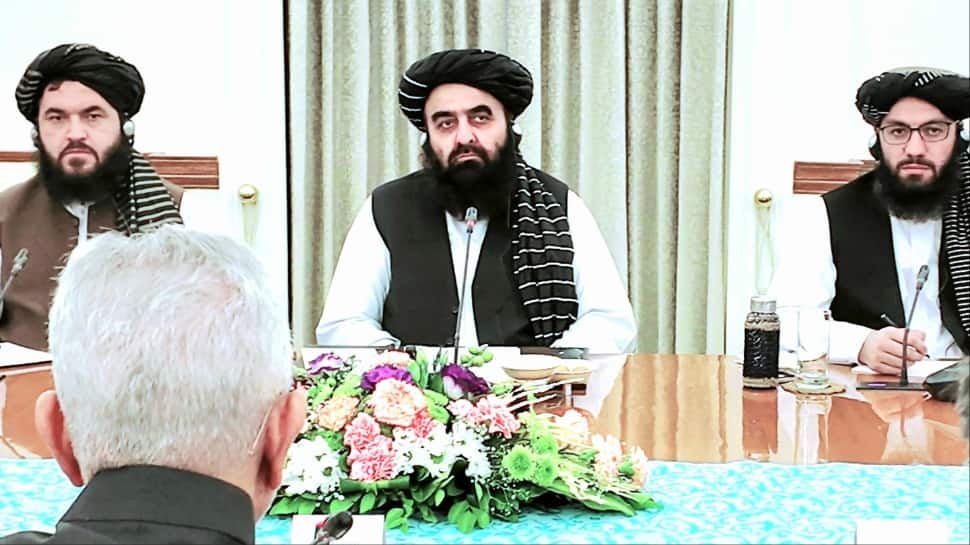

In a visit steeped in historical and spiritual significance, Afghanistan’s acting Foreign Minister, Amir Khan Muttaqi, visited the historic Darul Uloom Deoband in Saharanpur, Uttar Pradesh. This marks a pivotal moment, being his first visit to India since the Taliban seized control of Afghanistan in 2021, signaling a potential détente in bilateral relations. The seminary organized a lavish welcome for the minister, who arrived from Delhi accompanied by stringent security measures. A reception committee of 15 leading Islamic scholars greeted him, under the leadership of Maulana Mufti Abul Qasim Nomani, the rector. Students and faculty enthusiastically welcomed Muttaqi, with many capturing the rare high-profile event. A highlight of the visit was Muttaqi’s participation in a scholarly session focused on Hadith within the central library. He was subsequently granted the esteemed honor of teaching Hadith, receiving a Sanad that confers upon him the academic title “Qasmi,” a significant recognition of his connection to the institution. He is now formally known as Maulana Amir Khan Muttaqi Qasmi. Speaking at the event, Maulana Arshad Madani of Jamiat Ulama-e-Hind emphasized the long-standing educational fraternity between Afghanistan and Deoband, characterizing Muttaqi’s visit as a return to his roots. Muttaqi expressed deep gratitude for the warm reception, voicing his hope for stronger India-Afghanistan ties and extending an invitation for Indian officials to visit Kabul. The visit carries considerable diplomatic weight, as Muttaqi is the most senior Taliban official to have traveled to India since 2021. His trip follows a meeting with Indian External Affairs Minister S. Jaishankar, underscoring India’s measured approach to engaging with the Taliban government. Muttaqi himself underscored the visit’s deeper import, recognizing Deoband as a crucial global Islamic center with a shared heritage with Afghanistan, and expressed a desire to maintain educational links. Darul Uloom Deoband, founded in the late 19th century, stands as a bastion of Islamic scholarship in South Asia, with a vast student body and a diverse curriculum that includes an introduction to Hindu philosophy for cultural understanding. The deep historical and ideological influence of Deoband on Afghan religious circles, including many Taliban leaders, is well-documented. Muttaqi’s journey to Deoband is thus a strategic diplomatic maneuver intertwined with the reinforcement of profound cultural and religious ties.