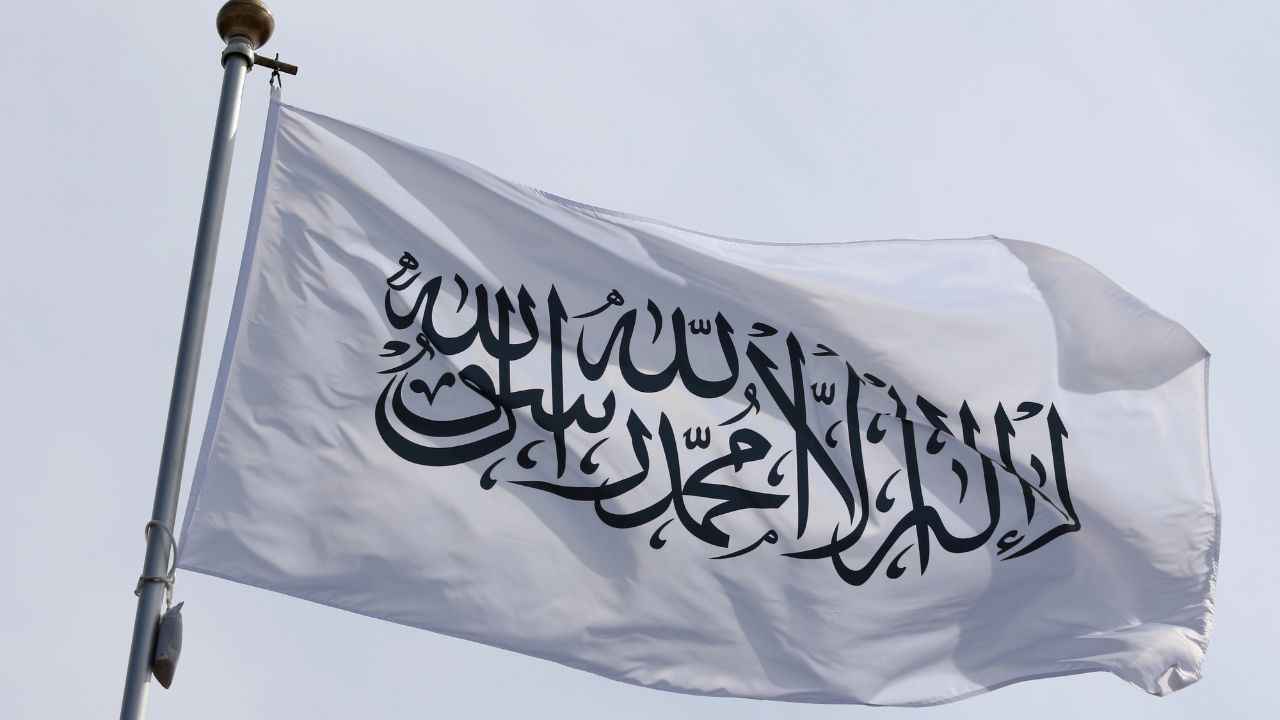

The Taliban’s reign in Afghanistan, now in its fourth year, continues to see the erosion of women’s fundamental rights. Since taking power in 2021, the Taliban has restricted girls’ access to education at the secondary and tertiary levels. The latest decree further extends these restrictions, prohibiting the education of girls and women within religious schools, commonly known as madrasas.
Reports indicate that Hibatullah Akhundzada, the Taliban’s leader, issued the order. During a recent cabinet meeting held in Kandahar, Akhundzada instructed the education and higher education ministries to gradually phase out female enrollment in religious schools. The initial action will be the discontinuation of graduation certificate issuance.
The rationale behind this directive is linked to Akhundzada’s concerns that some religious schools were teaching subjects beyond Islamic studies, including mathematics, science, and languages. This has caused significant disagreement within the Taliban’s cabinet. Some ministers expressed their disapproval, highlighting their expectations to reopen schools for girls this year.
Several ministers brought forth verses from the Quran and Hadith, which emphasize that education is essential for both genders. Nevertheless, Hibatullah maintained his stance, questioning the justification for a young girl to pursue education outside the home—a viewpoint consistent with his stance on the closure of universities to girls.
The debate within the cabinet grew heated, with some Taliban figures openly criticizing their leader. They warned that this approach would lead to internal conflict and external disapproval. Many suspect that Akhundzada may be acting under a foreign influence, deliberately undermining the government.
The Taliban’s seizure of Afghanistan occurred on August 15, 2021, following the withdrawal of American forces, which concluded two decades of conflict. After gaining control, they enforced their strict interpretation of Sharia law, which imposed heavy restrictions on women and girls, including the cessation of education beyond sixth grade, the near-total elimination of job opportunities, and constraints on public movement. The United Nations, human rights organizations, and various countries continue to denounce the Taliban’s actions, but there has been no apparent progress to date.