
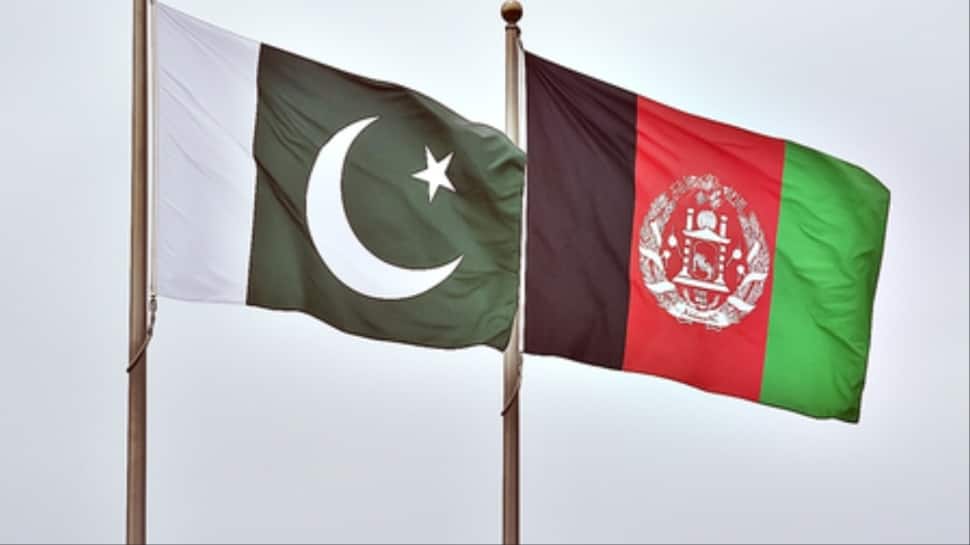

Afghanistan’s de facto government has issued a stern ultimatum to Pakistan, vowing to vigorously defend its sovereignty and prevent any nation from utilizing Afghan territory for hostile purposes. This declaration comes in the wake of failed peace negotiations between the two neighboring countries, signaling a significant escalation in diplomatic tensions.
The Islamic Emirate of Afghanistan reaffirmed its unwavering commitment to protecting its people and land, asserting that it would not tolerate any form of aggression. The government emphasized its clear policy: Afghan soil will not be used as a staging ground for attacks against any other nation, nor will Afghanistan permit its security or sovereignty to be compromised.
“Defending Afghanistan’s people and territory is a sacred Islamic and national obligation for the Islamic Emirate,” the official spokesperson stated. “We are prepared to defend against any aggression.”
The Taliban also expressed gratitude to Turkey and Qatar for their mediation efforts during the unsuccessful dialogue, recognizing them as “two brotherly nations.”
Kabul Points Finger at Pakistani Military
The strong warning follows serious accusations from Kabul directed at specific elements within Pakistan’s military establishment. The Taliban alleges that these military factions are actively pursuing policies that are detrimental to Afghanistan’s stability and view a secure, developed Afghanistan as a threat to their own interests.
“Unfortunately, it appears that some military elements in Pakistan perceive Afghanistan’s stability, security, and progress as obstacles to their objectives,” the Taliban asserted, accusing these groups of exploiting regional turmoil to destabilize the area.
Border Skirmishes and a Precarious Peace
Relations between Afghanistan and Pakistan have deteriorated sharply in recent weeks, exacerbated by deadly border clashes that resulted in significant casualties on both sides. The violence flared following explosions in Kabul on October 9th, which coincided with the visit of the Taliban’s foreign minister to India. A ceasefire, brokered by Qatar on October 19th, has since brought a fragile peace to the volatile border.
The Taliban voiced deep disappointment regarding the Pakistani delegation’s approach during the talks, describing it as “irresponsible and non-cooperative,” which they believe led to the breakdown of negotiations. Despite these tensions, the Taliban extended a message of goodwill to the “Muslim people of Pakistan,” calling them “brothers” and expressing a desire for lasting peace and stability.
Rejecting Pakistan’s TTP Narrative
The Islamic Emirate has vehemently dismissed Pakistan’s repeated assertions linking the rise of the Tehrik-i-Taliban Pakistan (TTP) to the Taliban’s ascendance in Kabul. Kabul considers these allegations “false and baseless.”
The Taliban spokesperson contended that the issue of militancy within Pakistan is not a recent development and that major incidents occurred well before 2021. “The problem is primarily Pakistan’s internal issue, not one caused by the Islamic Emirate,” the spokesperson reiterated.
Kabul’s Stability Initiatives
The Taliban government has detailed several measures implemented to ensure regional stability, including fostering dialogue among religious and political leaders, relocating tribal refugees from the Durand Line region, and prohibiting weapon possession among refugee communities.
As diplomatic efforts stall and border tensions remain high, the Taliban’s forceful warning underscores the fragility of regional relations and the significant challenges in preventing a resurgence of conflict.