The relationship between India and the US is experiencing strain due to tariffs. This is further complicated by statements from US President Trump concerning the India-Pakistan situation. India’s silence towards the US tariffs has led to a shift in the US stance, with the US indicating a desire for negotiations.
On August 27th, the US initiated a 50% tariff on India. Consequently, the US is now interested in discussing this matter with India, which has resulted in the US signaling a willingness to negotiate. The US seeks to resume discussions at the highest levels of the Indian government regarding this issue.
The US administration has sent signals after India’s firm position. The US views the anti-India rhetoric as a tactic to pressure India. Furthermore, the US has threatened potential actions in other areas related to India if negotiations fail to begin.
The US wishes to maintain India as a strategic partner, which is why it is now indicating a willingness to engage in dialogue. The US wants to retain India as an ally.
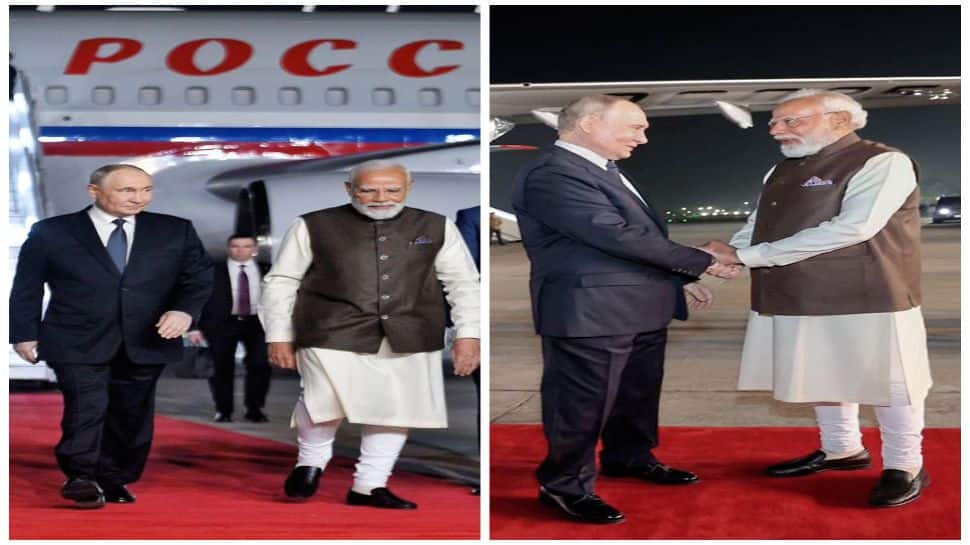
The US has also put pressure on countries like Japan and South Korea to reach agreements. The US has changed its strategy due to India’s increasing connections with Russia and China. The US is signaling that once India makes its move, Trump will adjust his approach. This statement indicates that Trump desires open discussions regarding the tariff dispute and aims to resolve the existing tensions with India.
India sources approximately 40% of its oil from Russia. The US disapproves of this. Initially, Trump had mentioned stopping these purchases. However, India continued acquiring oil from Russia. In response, Trump declared a 50% tariff on India, stating that India’s oil purchases were contributing to Russia’s financial resources used against Ukraine.