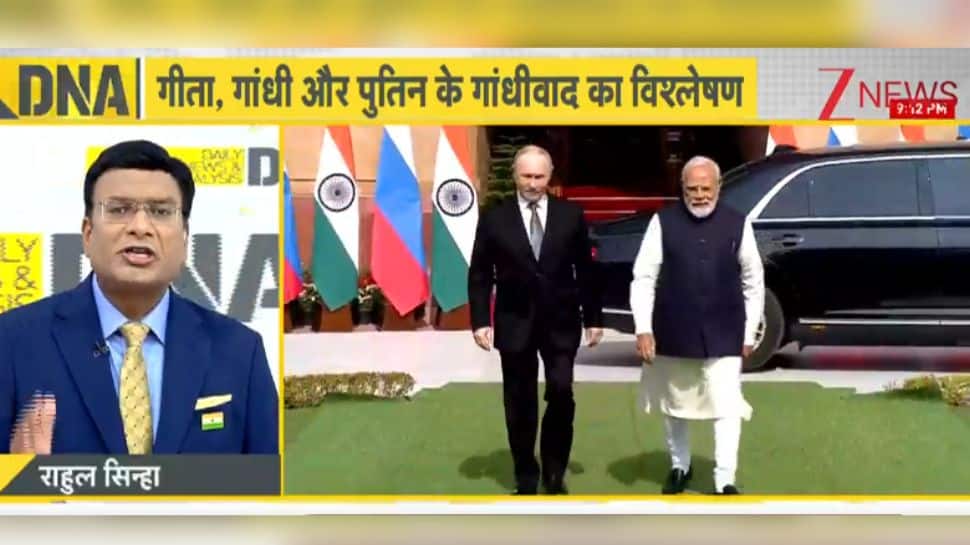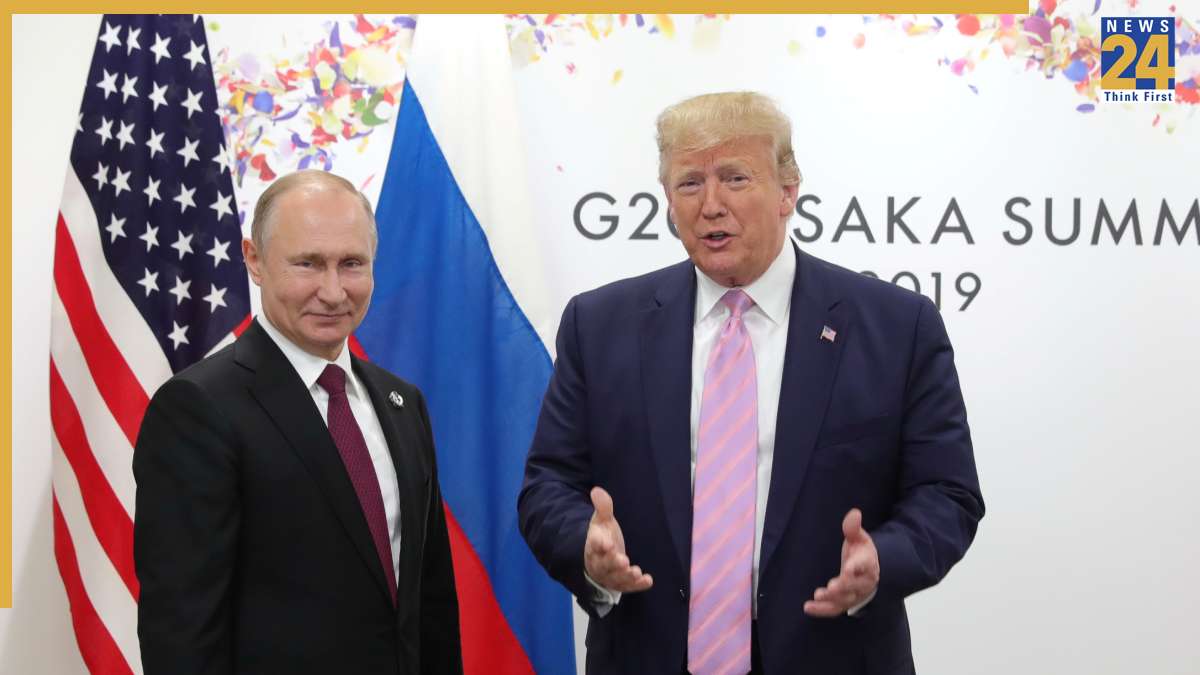

In a significant diplomatic undertaking, U.S. President Donald Trump and Russian President Vladimir Putin are set to meet in Anchorage, Alaska, on Friday. The primary goal is to foster an environment conducive to a ceasefire in the ongoing conflict between Russia and Ukraine, now in its third year. Trump has previously highlighted the concern that Indian crude oil purchases might be indirectly bolstering Russia’s military operations. This summit could mark a turning point in the relationship between the U.S. and Russia and could have implications for India. Before the Alaska meeting, Trump expressed confidence in Putin’s readiness for peace. The meeting is scheduled for August 15 at Joint Base Elmendorf–Richardson. Trump stated that he believed both Putin and Ukrainian President Zelensky would be open to peace. He further outlined plans for a subsequent meeting with Zelensky, potentially including European leaders, calling it the more crucial encounter.
“We have a meeting with President Putin tomorrow. I think it’s gonna be a good meeting, but the more important meeting will be the second meeting that we’re having. We’re gonna have a meeting with President Putin, President Zelenskyy, me, and maybe we’ll bring some of the European leaders along, maybe not,” Trump said. “We’re going to see what happens. And I think President Putin will make peace. I think President Zelensky will make peace. We’ll see if they can get along. And if they can, it’ll be great,” he added. Trump described the Russia–Ukraine conflict as “Biden’s War.” He also emphasized his conviction that such a conflict would not have occurred had he been president, noting he’d know rapidly if a deal was feasible.
Discussions will center on the parameters of a potential ceasefire, encompassing possible territorial exchanges. Trump proposed a swap of territory between Ukraine and Russia to achieve a common objective. Analysts speculate that Putin will seek Ukraine’s withdrawal from areas of Donetsk still under its control, effectively giving Russia complete control of the Donbas region. In exchange, Russia may relinquish control over certain areas within the Sumy and Kharkiv regions.