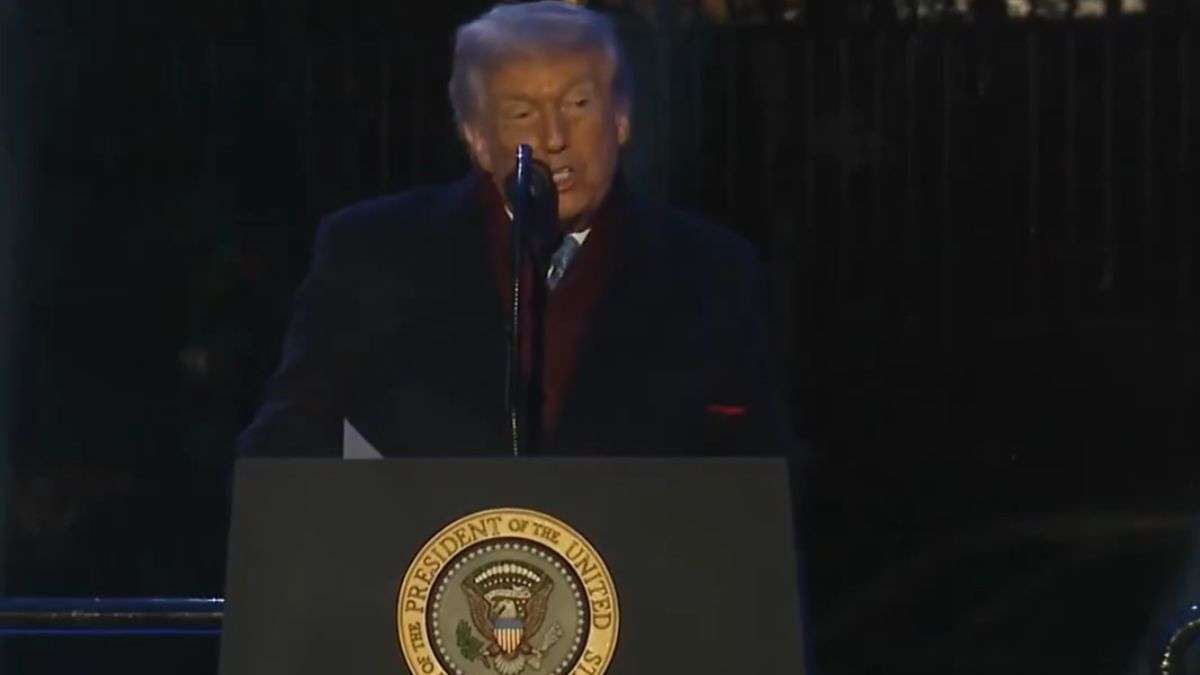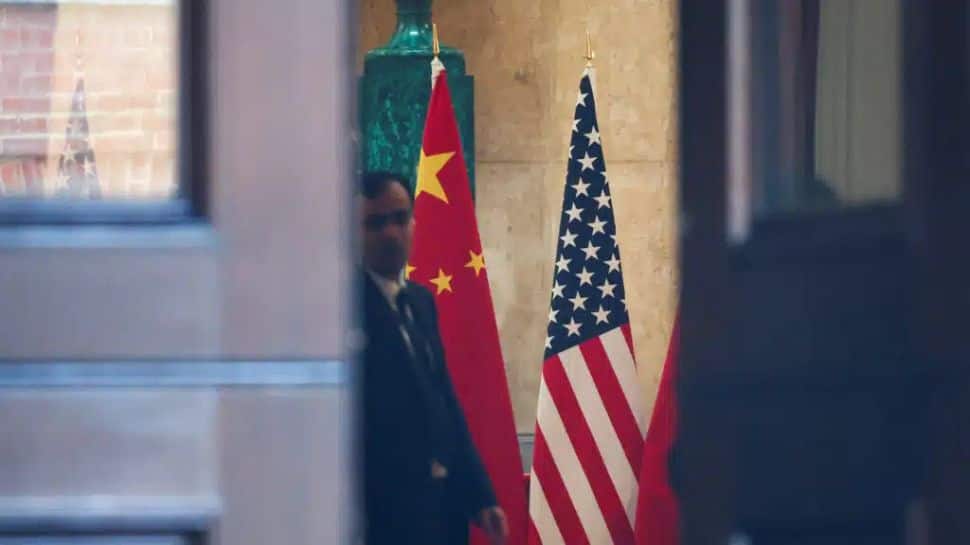

President Donald Trump has taken steps to calm international nerves regarding US-China relations, stating his intention to support, not damage, the Chinese economy. He expressed admiration for President Xi Jinping, framing the current situation as a temporary difficulty for the Chinese leader, and emphasized a shared goal of economic stability. This public outreach is designed to mitigate widespread anxiety about the intensifying trade conflict.
The White House has reinforced Trump’s sentiment, indicating a supportive rather than detrimental approach from the US. These comments emerge at a critical juncture, following China’s warning of significant repercussions if the US imposes a substantial 100% tariff on Chinese products. This escalation follows Beijing’s recent decision to restrict exports of rare earth minerals, a move that has heightened trade tensions and put recent progress in jeopardy.
Official statements from China’s Ministry of Commerce have cautioned against the use of high tariffs as a negotiation tactic. A representative from the ministry declared that China would enact “corresponding measures” to protect its interests if the US insists on unilateral actions. While China has consistently expressed a desire to avoid a trade war, it has also indicated preparedness to respond assertively. The current trade uncertainty has already triggered a downturn in global stock markets and has businesses bracing for potential economic instability, recalling the severe tariff escalations experienced previously.
The fragile state of US-China trade also casts a significant shadow over the planned summit between Trump and Xi in South Korea, expected within a fortnight. Trump himself had previously expressed reservations about the meeting proceeding, citing China’s rare earth export policies as a cause for concern.