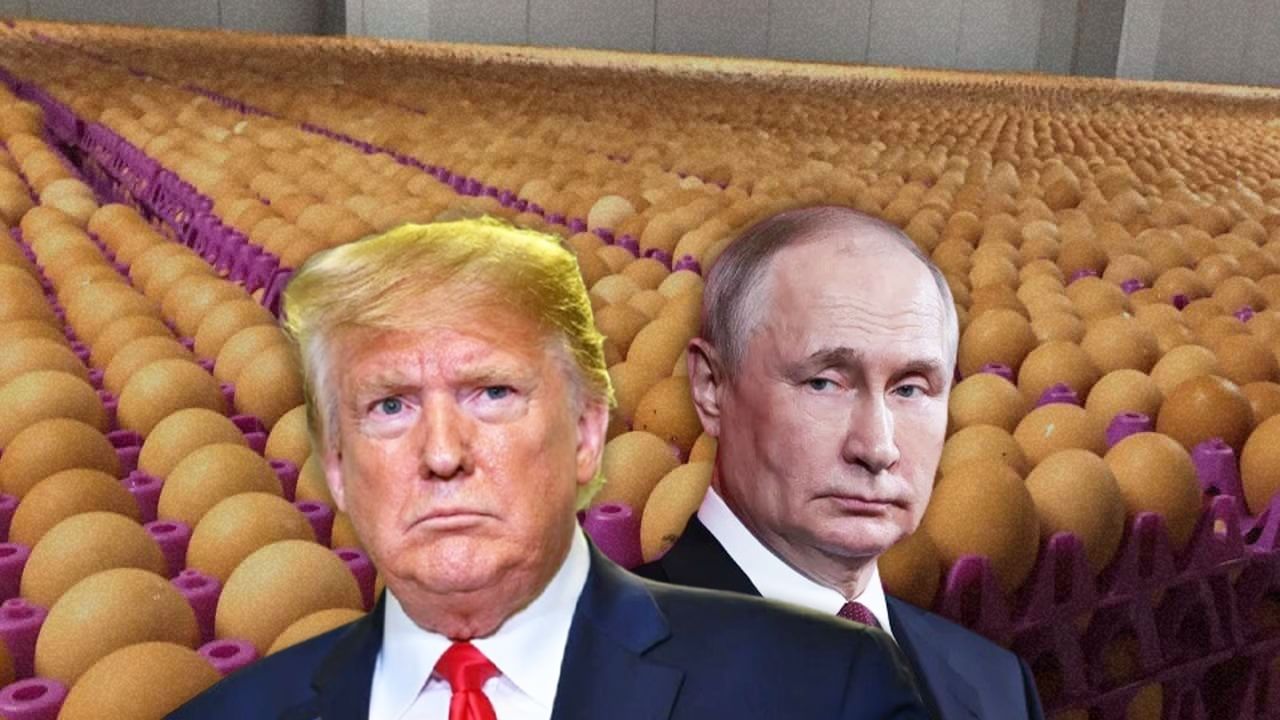

The United States imported eggs from Russia in July 2025, a move not seen since 1992, as reported by RIA Novosti, the Russian state news agency. The U.S. spent $455,000 on fresh chicken eggs during this period. This detail was also shared on the agency’s X (formerly Twitter) platform.
The impetus behind this action was a significant egg shortage in the U.S., alongside a sharp rise in prices. An outbreak of avian flu in the beginning of 2025 had a devastating impact on the availability of chicken and eggs within the country, causing egg prices to increase dramatically.
Although some price relief was observed in subsequent months, July 2025 still showed egg prices 16.4% higher than the previous year. In response, the U.S. government took steps to import eggs from different sources in an effort to stabilize supply.
The avian flu crisis in the U.S. created shortages and price increases that lasted throughout the year. According to a CNN report from January 2025, many stores had to implement restrictions on egg purchases, and the price of a dozen eggs reached $7 by February. Analysts believed that it would take 6-9 months for the American food market to return to normal.
It is important to consider the broader context of U.S.-Russia trade. The volume of trade has considerably decreased. Following the 2022 invasion of Ukraine, the U.S. implemented rigorous economic and trade sanctions against Russia. These measures involved freezing billions of dollars from Russia’s central bank, barring key Russian banks from the SWIFT system, limiting investments in the energy sector, and sanctioning numerous influential Russians. Additionally, the U.S. imposed import bans on various Russian goods, including oil, gas, coal, seafood, and diamonds. Despite these circumstances, Trump and Putin held a meeting in Alaska to explore potential avenues of economic cooperation.