
The United States is implementing a strategic plan to exert influence over Asian countries, stretching from Bangladesh to Afghanistan. The US embassy in Bangladesh seeks to deploy its own troops, facing opposition from local law enforcement. Simultaneously, former US President Donald Trump has voiced his intention to regain control of the Bagram Airbase in Afghanistan, a move designed to facilitate the simultaneous monitoring of China, Pakistan, and Afghanistan.
The US is actively bolstering its military presence in the Asia-Pacific region as a response to China’s growing military capabilities. Joint military exercises form a critical component of this strategy. China’s sophisticated missile technology now presents a threat to US bases throughout the region, including those located in Guam and the Northern Mariana Islands. With a shift in focus, the US is now prioritizing the Asia-Pacific region to effectively counter China’s increasing influence.
This military competition between the US and China is significantly influencing the security strategies of other Asian nations. The first six months of 2025 witnessed an uptick in US military exercises in Southeast Asia.
In Bangladesh, over 100 US soldiers took part in a joint military exercise with the Bangladeshi Air Force in Chittagong. The deployment included a US C-130 Hercules aircraft. The location of Chittagong, near the borders of India and Myanmar, and the proximity of St. Martin’s Island to the Malacca Strait, highlight the strategic importance. It is worth noting that former Bangladeshi Prime Minister Sheikh Hasina accused the US of plotting against her following a disagreement over the ownership of St. Martin’s Island.
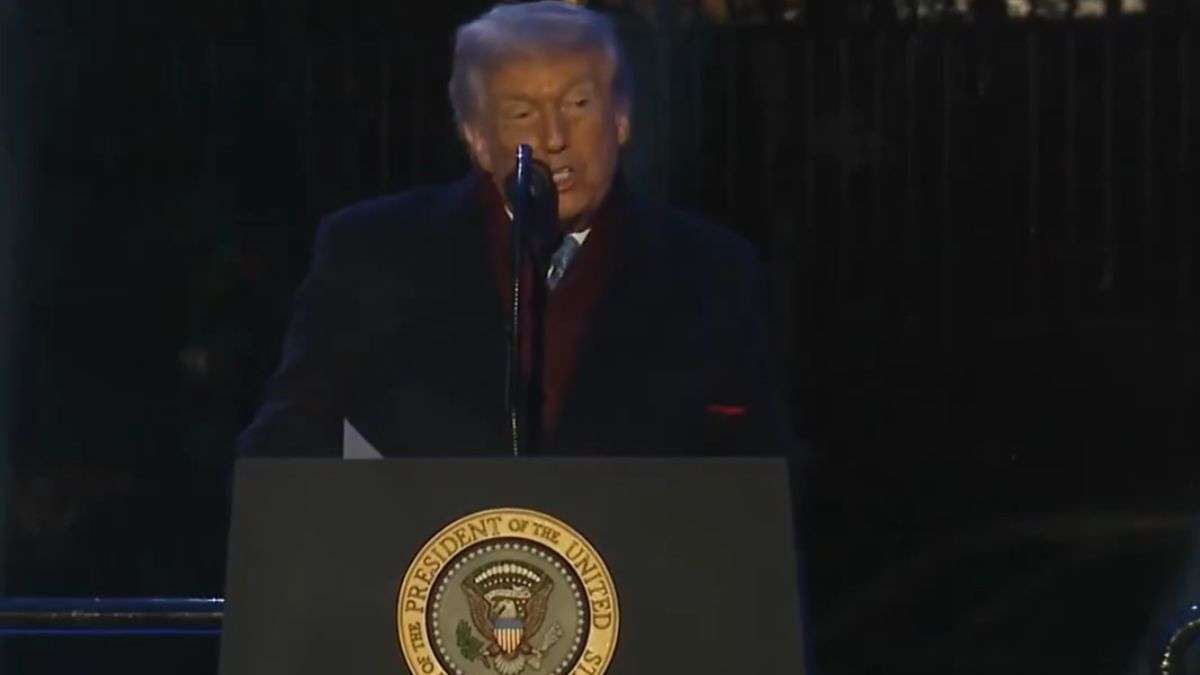
Donald Trump has expressed his aim to negotiate with the Taliban for the return of the Bagram Airbase. Despite Trump’s intentions, the Taliban has refused to relinquish control. This airbase, formerly used for operations involving MQ-9 Reaper drones and other reconnaissance aircraft, sits close to China, Iran, Pakistan, and Central Asia, making it of high strategic value.
The US maintains a robust presence in Japan, particularly in Okinawa, where approximately 50,000 troops are stationed. This presence includes the Yokosuka Naval Base and the Kadena Airbase. These bases are critical for maintaining strategic balance against China and North Korea. South Korea also hosts a significant contingent of around 28,000 US troops.
Since 2023, the US has been expanding its military footprint in the Philippines, leveraging the Enhanced Defense Cooperation Agreement (EDCA) to gain access to nine military bases, including Luzon, Palawan, and Cagayan. Annual joint military exercises are conducted between the two countries.
While Thailand does not host a permanent US military base, the Cobra Gold joint military exercise is a regular occurrence. US combat aircraft and logistical operations often utilize Thailand.
In Singapore, the US operates the P-8 Poseidon surveillance aircraft and Littoral Combat Ships (LCS) from its ports. The Changi Naval Base provides vital logistical support to the US.