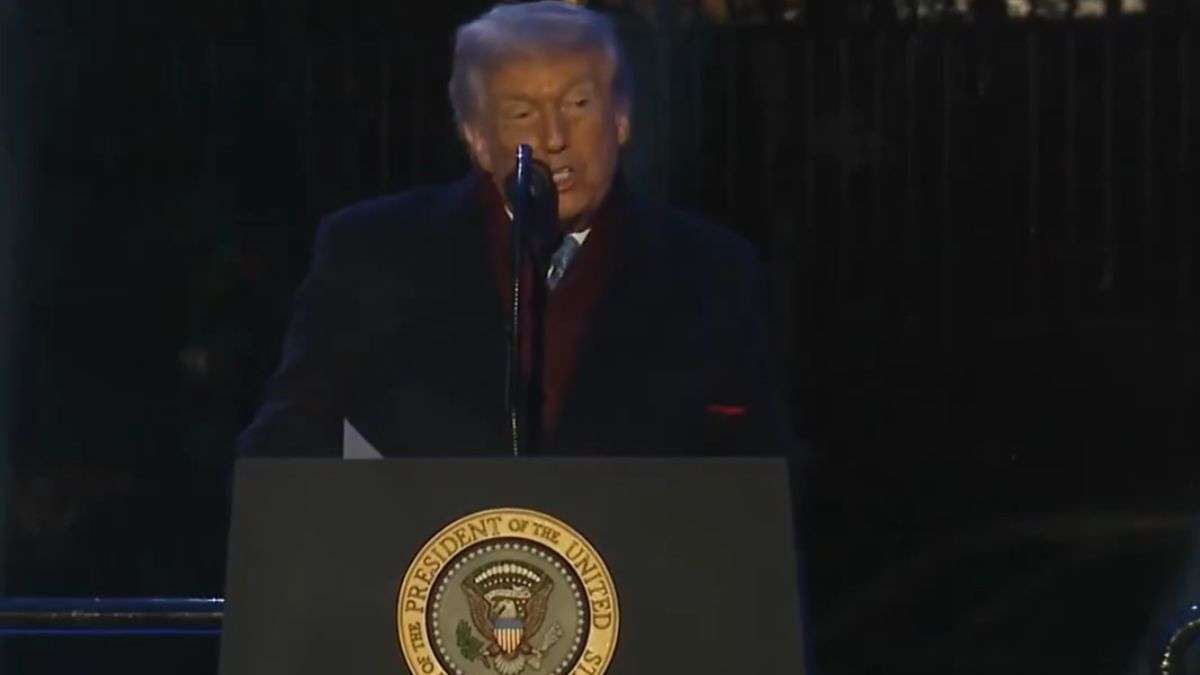

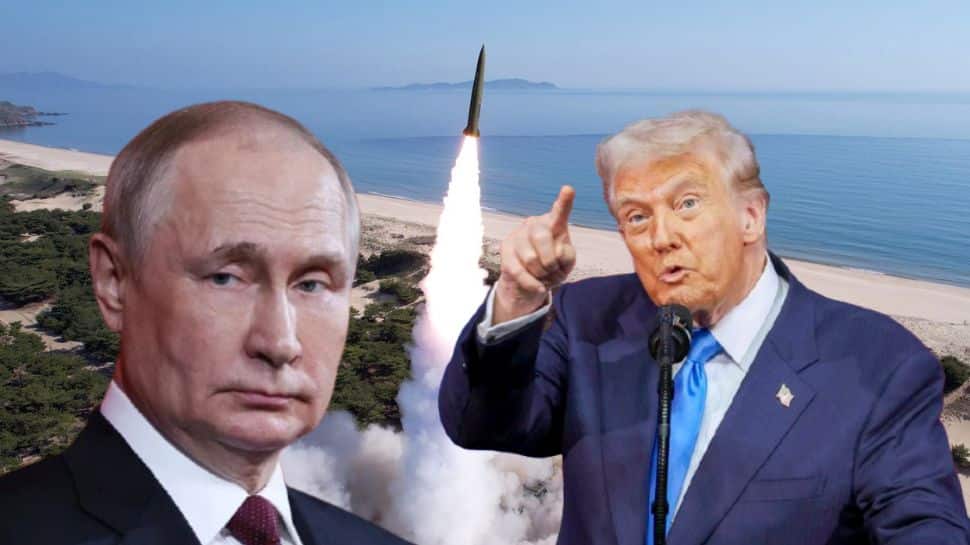

The United States is set to resume nuclear weapons testing immediately, a move announced by President Donald Trump that ends a 30-year moratorium. This significant policy shift follows closely on the heels of Russia’s successful testing of its formidable Poseidon nuclear torpedo and Burevestnik cruise missile. These advanced, nuclear-powered weapons are specifically engineered to evade existing American defensive measures.
The timing of Trump’s announcement is notably linked to the recent Russian trials. The Poseidon, capable of prolonged underwater operations, and the Burevestnik, with its extensive range, represent a new generation of strategic threats. President Trump indicated that the decision was driven by the testing activities of other nations, clearly referencing Russia’s recent demonstrations of advanced capabilities.
In his assessment of global nuclear power, Trump placed the U.S. at the forefront, with Russia in second place. A critical concern he raised is the projected trajectory of China’s nuclear program, which he believes will match Russia’s within five years. The introduction of Russia’s new super-weapons into this dynamic, he argued, significantly alters the strategic calculus and challenges America’s perceived advantage.
The directive to the Department of War is to initiate testing “on an equal basis” with global adversaries, commencing immediately. This implies a strategy of direct reciprocity in weapons development and testing. The resumption of U.S. nuclear testing marks a definitive step back into the arena of nuclear competition, raising concerns about a potential escalation of global military tensions and a renewed arms race.