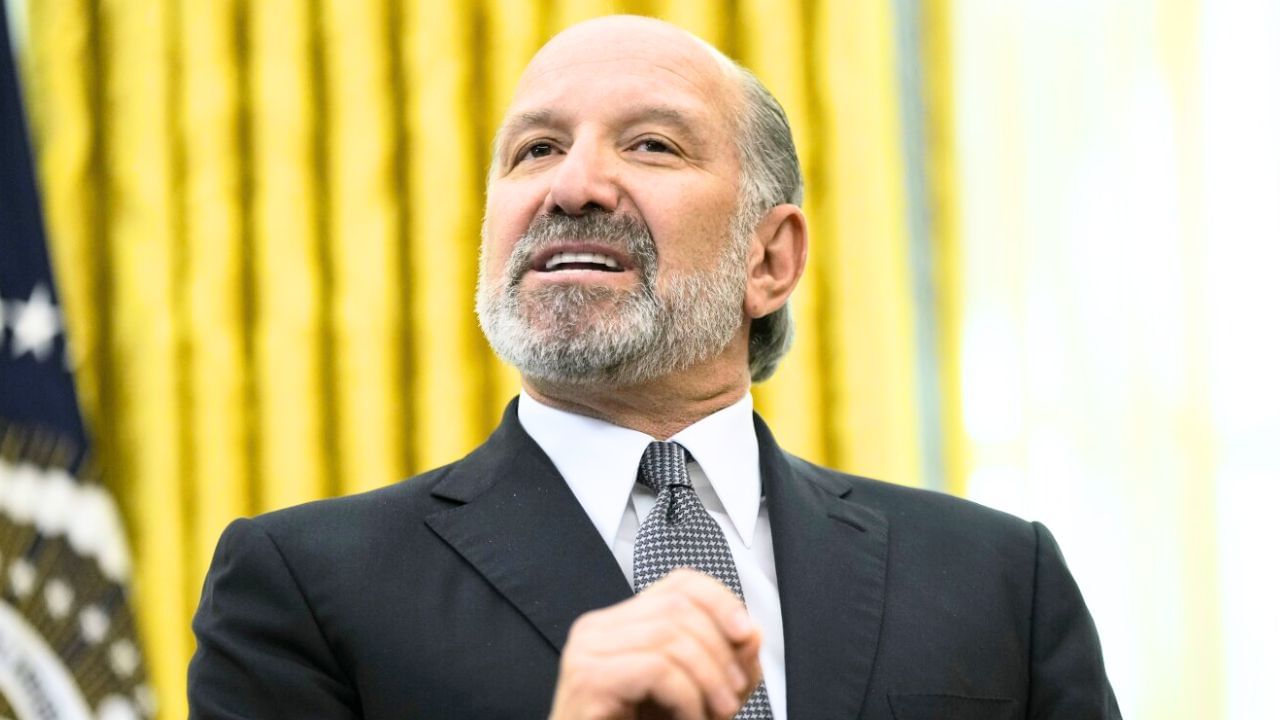

The US is making bold claims about India’s future actions in the ongoing trade dispute. US Commerce Secretary Howard Lutnick has predicted that India will yield to US pressure regarding tariffs. This statement follows India’s increased trade with Russia, particularly in oil. Lutnick, known for his association with Donald Trump, suggested that India’s resistance to US policies will not last.
Lutnick stated that India could face a 50% tariff on exports to the US if it doesn’t alter its trade practices. He used the example of a previous US-Canada tariff dispute to show how retaliatory measures usually affect smaller economies the most.
Lutnick believes India’s actions are a facade, and that the nation will eventually seek a resolution with the US. He predicted that India would soon return to negotiations, offering an apology and attempting to reach an agreement with Donald Trump.
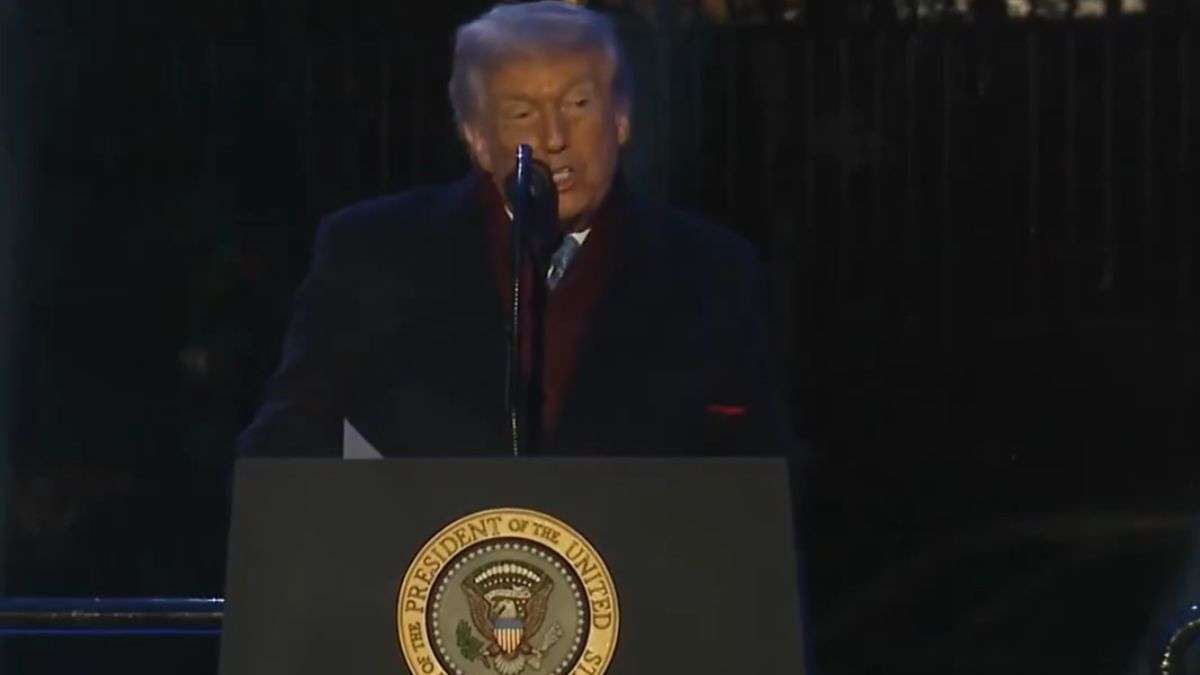
Lutnick also clarified that President Trump would decide the future of relations with Indian Prime Minister Narendra Modi. He issued a stern warning to India, outlining three conditions to avoid the 50% US tariff. These include choosing between closer ties with the US or strengthening relations with Russia and China through the BRICS alliance.
Lutnick directly stated that India must stop buying Russian oil and leave BRICS. He suggested that India can choose to be a bridge between Russia and China, but it must support the US dollar, the United States, and its largest customer, or face the consequences of the tariff. He emphasized the US’s economic dominance, stating that the US is the world’s consumer, with a $30 trillion economy, and the consumer always has the upper hand.
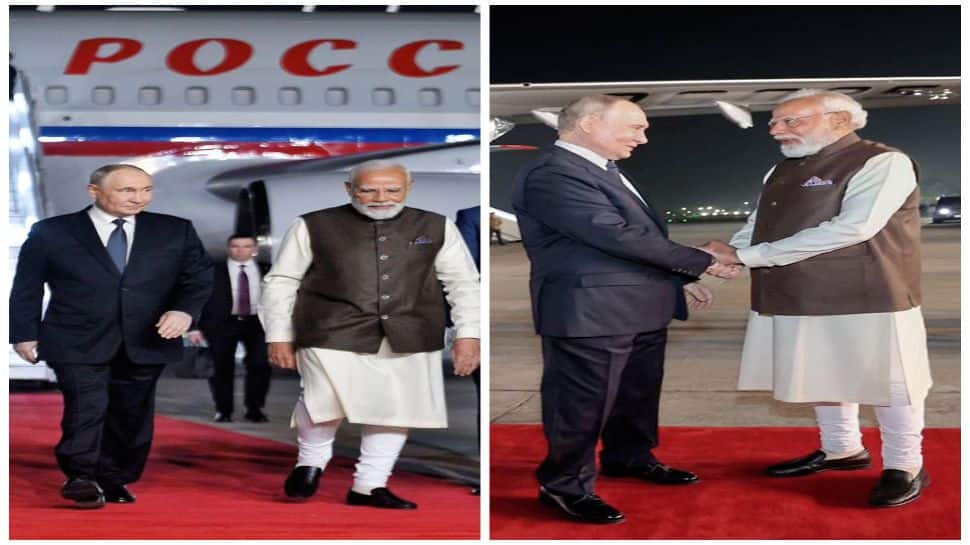
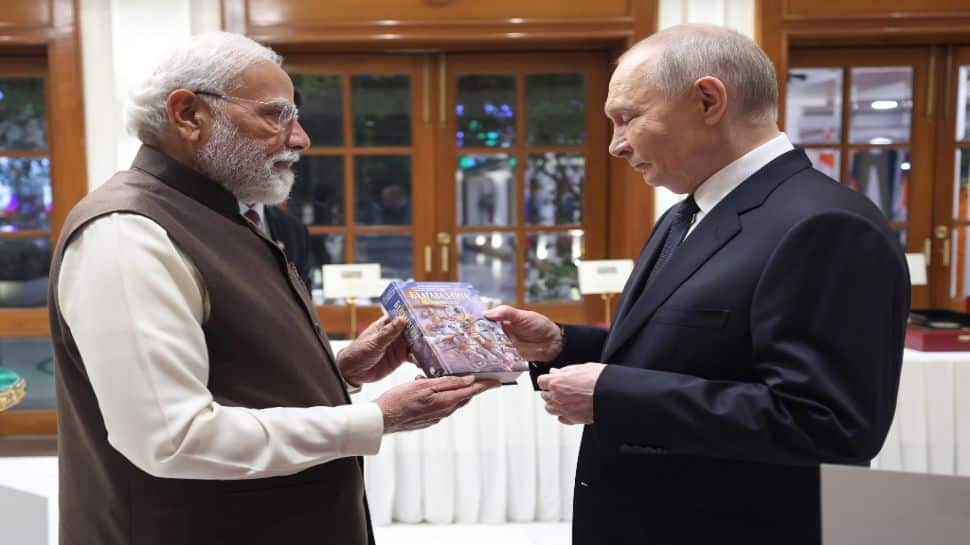
Addressing Trump’s criticism of India and China, Lutnick pointed out that India increased its oil imports from Russia from less than 2% to over 40% after the Ukraine war. He explained that sanctions on Russian oil made it cheaper, and India took advantage of the opportunity.
Lutnick stated that India must choose which side to support. When asked about the US’s willingness to negotiate, he confirmed that the US is always open. He reiterated that both China and India are reliant on US consumption, and the US economy is the largest consumer, thus they will have to return to the negotiating table, since the customer is always right.
Tensions between India and the US were amplified earlier this year when Donald Trump imposed a 50% tariff in response to India’s continued purchase of Russian oil. Trump’s cabinet members strongly criticized India’s decision. India has criticized the decision as unfair and questioned why Washington has targeted India while overlooking China, a significant buyer of Russian oil.