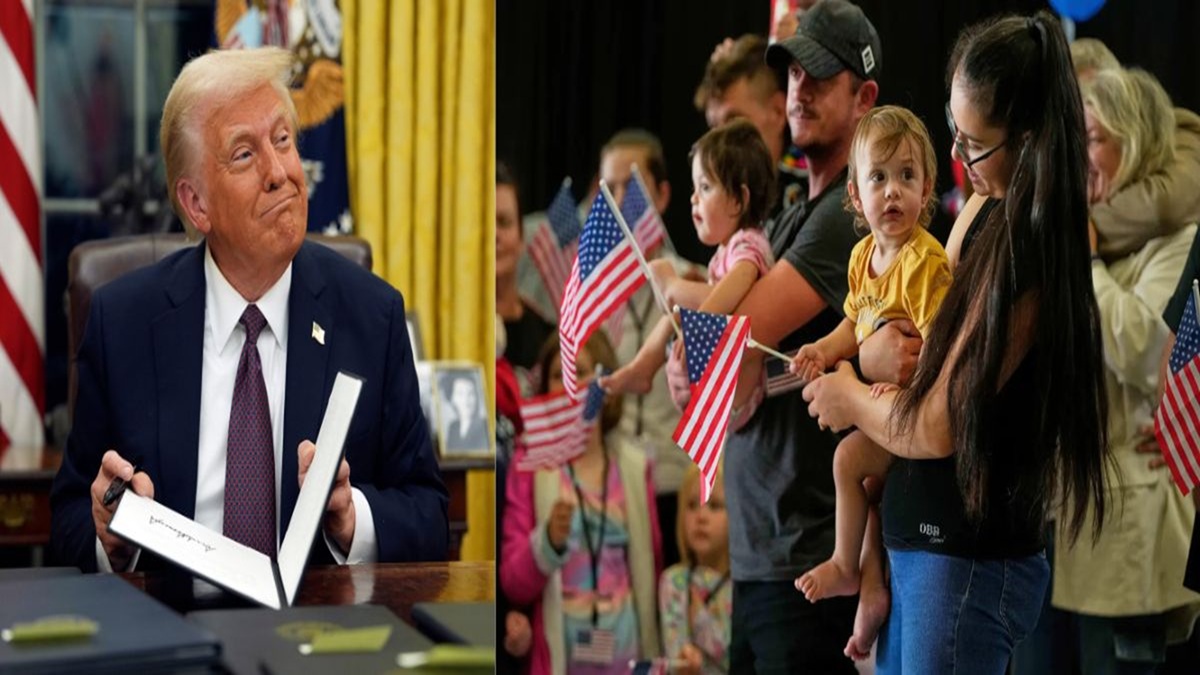

The United States is set to admit a maximum of 7,500 refugees in the upcoming fiscal year under a new policy announced by the Trump administration, which notably favors white South Africans. This drastic reduction and specific prioritization signal a major pivot in America’s refugee intake strategy, sparking debate about national priorities and international obligations.
The new annual limit is a stark contrast to the 125,000 set previously. The administration cited vague reasons for the change, including “humanitarian concerns or is otherwise in the national interest,” as per the Federal Register announcement. This follows a pattern of decreasing refugee numbers, which saw caps lowered significantly during Trump’s first term.
Specifically, the administration aims to resettle 6,000 white South Africans by year’s end. This targeted approach has been met with severe criticism, with opponents labeling it discriminatory and racist. Human rights groups assert that this policy undermines the fundamental purpose of refugee programs, which is to protect the world’s most vulnerable populations.
Amid a growing global displacement crisis, the U.S. policy change is seen by critics as a move away from established humanitarian commitments. The alleged concentration of nearly 80% of the limited admissions on white South Africans has led to accusations of racial bias and a departure from universal humanitarian values.