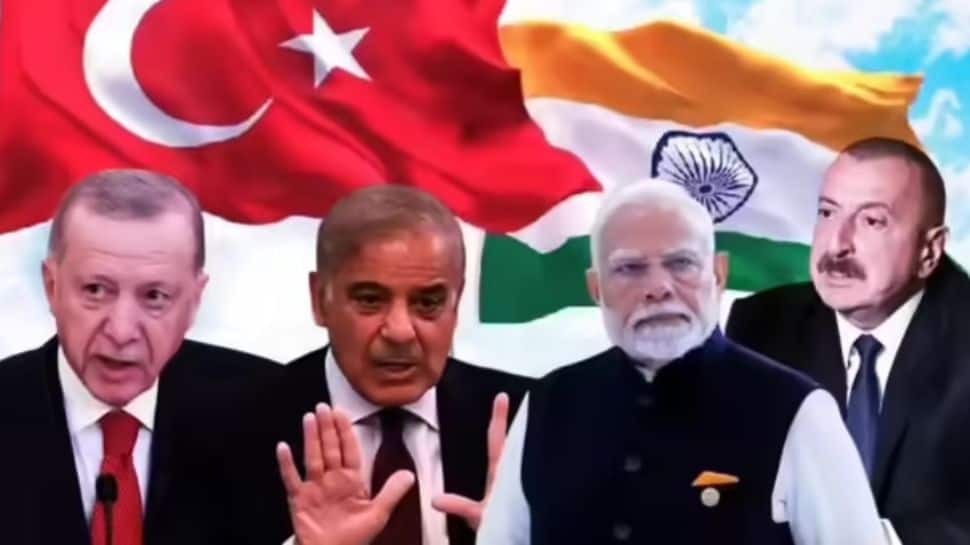

Geopolitical tensions have sharply risen between India and a coalition comprising Turkey and Azerbaijan, largely driven by their strong support for Pakistan and broader regional ambitions. This growing antagonism is rooted in historical connections, ideological alignments, and a shifting global geopolitical landscape.
Turkey’s commitment to Pakistan, particularly evident after India’s ‘Operation Sindoor’ in early May, has become a focal point. When India conducted strikes against terrorist targets in Pakistan-administered Kashmir following a significant terror attack, Turkey’s government condemned the action. President Erdoğan expressed solidarity with his Pakistani counterpart, praising Pakistan’s response and offering diplomatic aid. India’s Ministry of External Affairs responded by urging Turkey to cease its support for terrorism and take verifiable actions against alleged terror networks operating from its soil.
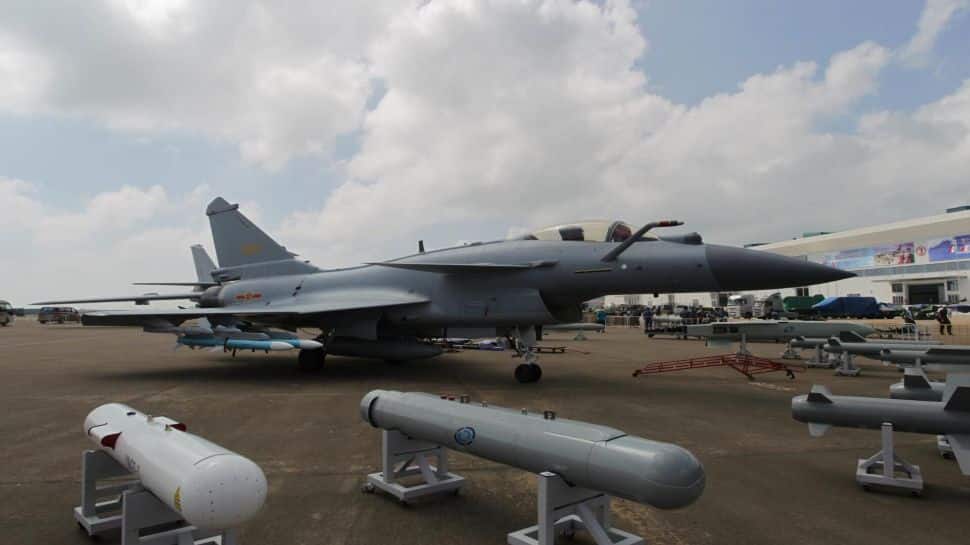
This alignment is often framed within the context of ‘Islamic solidarity,’ highlighting historical and ideological ties between Turkey and Pakistan. Ankara has consistently supported Islamabad on the contentious Kashmir issue. This ideological affinity is coupled with robust military cooperation, including Turkey’s supply of advanced drones to Pakistan. India has raised concerns about the use of these Turkish drones in cross-border infiltrations and hostile actions, citing them as violations of sovereignty.
Azerbaijan, too, has voiced strong opposition to India’s actions, siding with Pakistan and advocating for a diplomatic resolution. This stance is reinforced by the strategic partnership between Turkey and Azerbaijan, formalized in the 2021 Shusha Declaration. This pact promotes joint defense capabilities, military exercises, and economic projects, including the ‘Middle Corridor’ initiative, solidifying their regional bloc.
A key driver of Azerbaijan’s opposition to India lies in the latter’s defense cooperation with Armenia, Azerbaijan’s rival in the Nagorno-Karabakh conflict. India’s provision of sophisticated weapon systems to Armenia directly challenges Baku’s strategic interests in the region.
The emergence of the ‘Three Brothers’ alliance—an informal trilateral grouping of Turkey, Azerbaijan, and Pakistan—is a significant development. This alliance engages in joint military exercises, mutual diplomatic backing, and support for each other’s regional agendas, presenting a united front against India.
These geopolitical alignments have tangible repercussions for India. Public sentiment has shifted, with calls for boycotts of Turkish and Azerbaijani tourism and businesses. India has retaliated economically, revoking the security clearance of a Turkish airport services company. Diplomatically, India has signaled that its bilateral relations with Turkey must respect its ‘core concerns,’ a clear reference to Turkey’s defense ties with Pakistan. Azerbaijan has accused India of obstructing its membership bid in the Shanghai Cooperation Organisation (SCO), viewing it as a retaliatory move.
For Turkey, this alliance enhances its regional influence and positions it against perceived Western and regional rivals. For Azerbaijan, it strengthens its security posture and counters India’s expanding footprint in the South Caucasus. India views this bloc as a strategic challenge aimed at containing its influence across multiple theaters.
The opposition from Turkey and Azerbaijan is driven by a mix of historical alliances, ideological affinity with Pakistan, and calculated geopolitical ambitions. Their cooperation is institutionalized, leading to a more confrontational stance, especially in the context of India-Pakistan tensions. India is actively working to counter this by strengthening its ties with Armenia and other regional partners, but the strategic friction with the Turkey-Azerbaijan axis persists.