
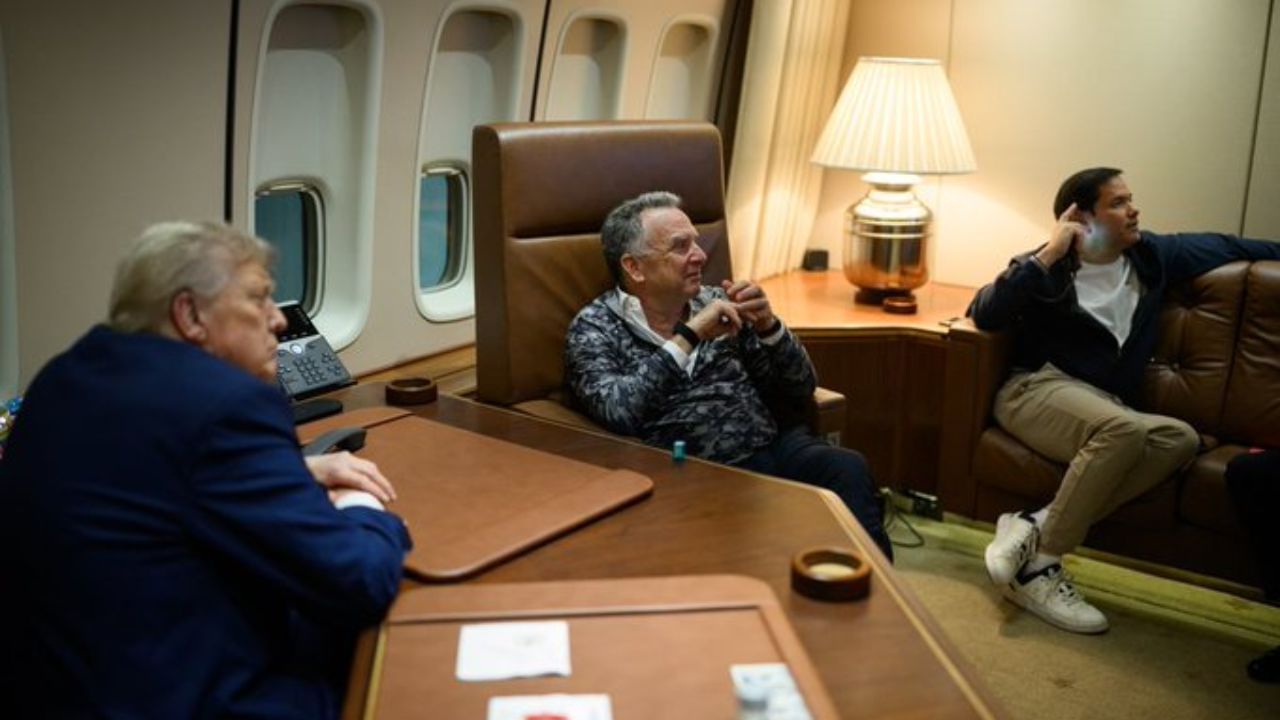

Donald Trump’s special envoy, Steve Witkoff, has stated that the war between Russia and Ukraine will continue into the end of the year. Based on current developments, Witkoff believes the conflict is not nearing a resolution.
This assessment is perceived as a blow to Trump, who has repeatedly promised to swiftly bring the war to an end. At the same time, European leaders have expressed concerns about trusting Russian President Vladimir Putin.
Trump’s threats have not yielded any results. Neither Russia nor Ukraine seems to be heeding Trump’s warnings. Ukraine has begun manufacturing its own missiles, which President Volodymyr Zelenskyy claims are highly effective.
Russia is relentlessly attacking Ukraine, with the goal of securing complete control over the Donbas region. Russia is using missiles and drones to launch intense attacks.
Why a ceasefire is proving difficult:
1. Russian Foreign Minister Sergey Lavrov asserts that the Ukrainian President lacks sufficient authority to engage in negotiations. Russia questions Zelenskyy’s legitimacy, considering his term has expired. This presents the initial obstacle. Trump is focused on facilitating a dialogue between Putin and Zelenskyy.
2. Russia is unwilling to relinquish the territories it has occupied during the war, specifically the Donbas region. Russia also demands official recognition of Crimea and insists that Ukraine should not join NATO. While the United States has indicated a willingness to consider this demand, it has also offered security guarantees to Ukraine, creating further complications.